
CEREC

 html    head  title 500 Internal Server Error  title   head    body    center  h1 500 Internal Server Error  h1   center    hr  center nginx 1.29.3  center     body     html

Advanced digital dentistry that lets patients receive custom, all-ceramic restorations in a single appointment — precise, predictable, and designed to last.

Same‑Day Restorations: Faster Care without Compromise

CEREC harnesses digital tools so patients can complete restorative treatment in a single visit. Rather than sending impressions to an external lab and returning days later, clinicians can design, mill, and place a ceramic restoration while the patient waits. That streamlines appointments and removes the need for provisional crowns.

Speed does not mean cutting corners. The digital workflow enables precise fit and occlusion planning, reducing the adjustments needed at placement. For many patients this means less chair time, fewer appointments, and a more cohesive treatment experience from start to finish.

Because the entire process happens in one visit, patients also avoid the inconvenience of wearing temporary restorations and the uncertainty that can come with multi-appointment treatments. The single-visit model is especially helpful for those with busy schedules or who prefer to minimize repeat visits to the office.
 html    head  title 500 Internal Server Error  title   head    body    center  h1 500 Internal Server Error  h1   center    hr  center nginx 1.29.3  center     body     html

Modern Crowns, Inlays and Onlays Designed to Match Your Smile

CEREC restorations are fabricated from high-quality ceramic materials selected for strength and lifelike appearance. Whether the goal is to repair a fractured tooth, replace a large filling, or restore a worn cusp, these restorations are shaded and shaped to blend with surrounding teeth for a natural result.

The digital design phase allows for careful customization of contours, contacts and shade. This customization helps preserve healthy tooth structure where possible and provides a restoration that supports normal chewing function and smooth, comfortable interactions with adjacent teeth and soft tissues.

For patients concerned about appearance, ceramic restorations provide an aesthetic alternative to metal-based restorations. They resist staining and reflect light similarly to natural enamel, which contributes to a seamless look that many patients appreciate.

 html    head  title 500 Internal Server Error  title   head    body    center  h1 500 Internal Server Error  h1   center    hr  center nginx 1.29.3  center     body     html

From Scan to Fit: How the Digital Workflow Works

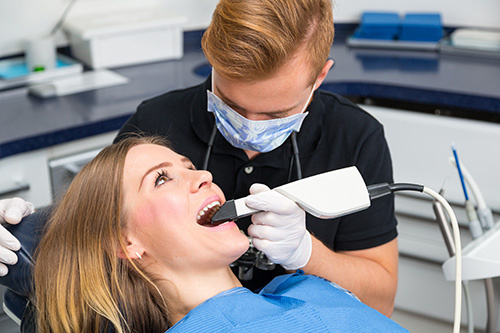
The process begins with an intraoral scan that captures detailed three-dimensional images of the prepared tooth and surrounding dentition. This replaces traditional putty impressions and produces a digital model in seconds, which can be reviewed and refined on-screen for accuracy.

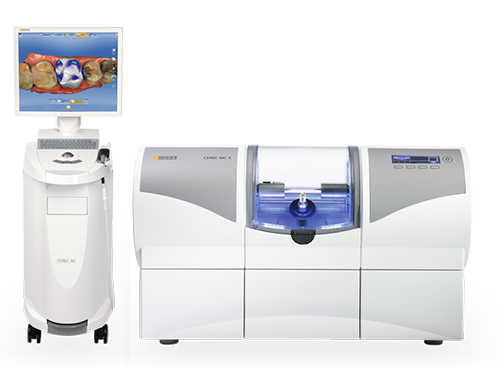
Using CAD (computer-aided design) software, the clinician designs the restoration to achieve proper occlusion, contact points and anatomical morphology. Once the design is confirmed, the model is sent to an on-site milling unit that carves the restoration from a ceramic block with high precision.

After milling, the restoration is fine-tuned, polished or glazed as needed and then checked intraorally for fit and appearance. Because the entire sequence is integrated and performed in-office, the digital workflow minimizes the opportunities for miscommunication and fabrication delays that can occur with off-site labs.

 html    head  title 500 Internal Server Error  title   head    body    center  h1 500 Internal Server Error  h1   center    hr  center nginx 1.29.3  center     body     html

Ceramic Materials: Strength, Esthetics and Longevity

CEREC restorations are milled from advanced ceramics engineered for durability and color stability. These materials combine the resilience required for chewing with optical properties that mimic natural tooth enamel, giving restorations a convincing and attractive appearance.

Properly designed and placed ceramic restorations can withstand normal functional stresses for many years. The longevity of any restoration depends on several factors — including oral hygiene, bite forces, and regular dental care — but ceramic remains one of the most reliable choices for visible and functional dental work.

One additional benefit is biocompatibility; ceramic materials are inert and well tolerated by surrounding tissues, which supports healthy gum response and reduces the risk of discoloration or allergic reactions associated with some metal alloys.

What Patients Can Expect Before, During and After Treatment

Preparation for a CEREC restoration typically begins with a thorough clinical exam and discussion of goals. The dentist will explain the indications for a crown, inlay, or onlay and review photos or the scan to set expectations. This is an opportunity to address questions about appearance, preservation of tooth structure, and the steps involved in the same‑day process.

On the day of treatment, local anesthesia is used as needed and the tooth is shaped to create an ideal foundation for the restoration. The digital scan is then captured and the design process begins while you remain comfortably in the chair. Milling and finishing are completed on-site, allowing the dentist to place the final restoration once marginal fit and occlusion are verified.

After placement, your dentist will review home care recommendations and any follow-up timing. Good oral hygiene and routine dental visits help maintain the health of the restored tooth and surrounding structures. If any adjustments are needed, they can usually be handled quickly at follow-up visits to ensure long-term comfort and function.

At Zona Rosa Dental we prioritize clear communication and patient comfort throughout the process. The goal is to pair advanced technology with thoughtful clinical decisions so patients leave with a restoration that feels natural and performs reliably.

Is CEREC Right for You?

CEREC is an excellent option for many patients who need single crowns, onlays, or inlays and prefer a streamlined, digital approach. It works well for repairs where preserving tooth structure is important and when aesthetics are a priority. Your dentist will evaluate the condition of the tooth, bite dynamics, and overall treatment plan to determine whether a same‑day ceramic restoration is the most appropriate choice.

This approach combines modern materials with a precise digital workflow to deliver restorations that integrate form, function, and appearance. For patients seeking a predictable, efficient experience without compromising quality, CEREC offers a compelling solution delivered in one visit.

If you would like to learn more about CEREC and whether it fits your needs, please contact us for more information.

Frequently Asked Questions

What are CEREC® same-day crowns?

+

Today, there's no need to merely imagine how nice it would be to have a dental crown fabricated in a single visit. With CEREC technology and advanced systems of care, multiple trips to the dentist are a thing of the past! Now, one appointment is all it takes for our skilled and experienced dentist to design, fabricate, and place a naturally beautiful and long-lasting same-day crown. And, best of all, unlike conventional methods of care, you won't have to endure messy dental impressions, wear a temporary crown, or wait weeks for your permanent restoration to come back from the laboratory.

How are CEREC® same-day crowns made?

+

Offering a level of precision and comfort that exceeds conventional methods of care, CEREC technology is nothing short of amazing! Advanced CAD/CAM technology, which stands for computer-aided design and computer-aided manufacturing, enables our dentist to translate images from an optically scan tooth into a 3D virtual model upon which a custom crown can be digitally designed. Once this step is done, the detailed specs are then wirelessly transmitted to a chairside 3D milling machine to fabricate your new ceramic crown while you wait!

What are the benefits of CEREC® same-day crowns?

+

With conventional methods of care, a dental crown can take two to three visits to fabricate and place. However, thanks to the benefits of CEREC technology, we can prepare a tooth, then design, fabricate, and place your new crown, all while you wait.

With CEREC same-day crowns, there's none of the mess of conventional dental impressions, wearing dental temporaries, or waiting for the final crown to come back from the lab. Once the prepared tooth is optically scanned and the restoration digitally designed, your new crown can be milled from the highest quality of dental ceramics that very same visit.

Will my CEREC® same-day crown look natural?

+

CEREC same-day crowns and restorations are fabricated from the highest quality of dental ceramics. Because dental porcelain reflects light in much the same way as dental enamel, your new crown will look flawless, completely natural, and blend seamlessly with your smile.

Do CEREC® same-day crowns last a long time?

+

A CEREC same-day crown offers much more than a convenient approach to getting a dental crown. It is also a high quality, naturally beautiful, extremely durable, and long-lasting dental restoration! The fact is, with proper oral hygiene and routine dental care your new crown will serve your smile well for many years to come.

What is CEREC and how does it work?

+

CEREC is a chairside CAD/CAM system that allows dentists to design, mill and place ceramic restorations in a single appointment. The process begins with an intraoral scan that captures a detailed three-dimensional image of the prepared tooth and surrounding dentition. That digital model is used to design the restoration on-screen, optimizing occlusion, contacts and anatomy for a precise fit.

Once the design is finalized, the restoration is milled from a solid ceramic block using an on-site milling unit and then finished before placement. This in-office workflow replaces traditional putty impressions and off-site lab fabrication, reducing the steps between preparation and final restoration. The integrated digital approach minimizes opportunities for miscommunication and fabrication delays that can occur when restorations are sent to external labs.

What are the benefits of same-day CEREC restorations?

+

Same-day CEREC restorations streamline treatment by eliminating the need for temporary crowns and multiple appointments, which many patients find more convenient. The digital workflow also supports precise margins and occlusion planning, often reducing the need for extensive adjustments at placement. Because the restoration is fabricated and adjusted in one visit, patients typically experience less overall chair time and fewer follow-up visits.

CERamic materials used with CEREC are color-stable and resistant to staining, offering an aesthetic alternative to metal-based restorations. The process preserves healthy tooth structure when possible, since designs can be conservative and tailored to the existing anatomy. In-office fabrication also allows clinicians to control each step, which can improve communication and predictability of the final result.

What types of restorations can CEREC create?

+

CEREC is commonly used to fabricate single crowns, inlays, onlays and veneers when appropriate for the clinical situation. These restorations are suitable for repairing fractured teeth, replacing large fillings or restoring worn cusps while maintaining esthetics and function. The system is optimized for single-unit restorations and many anterior and posterior restorative needs.

Because the workflow is digital, clinicians can quickly customize contours, contact points and shade to blend with adjacent teeth. In some cases, CEREC can also support small bridgework or implant crowns, depending on the case complexity and the clinician’s assessment. Your dentist will recommend the best restoration type based on tooth condition, occlusion and overall treatment goals.

How durable and natural-looking are CEREC ceramic restorations?

+

CEREC restorations are milled from advanced ceramic materials engineered for strength, color stability and fracture resistance. When designed and bonded correctly, these ceramics can withstand normal chewing forces and provide long-term function for many patients. The optical properties of modern ceramics allow them to reflect light similarly to natural enamel, creating a lifelike appearance that many patients prefer over metal restorations.

Longevity depends on factors such as oral hygiene, bite forces, the amount of remaining tooth structure and regular dental care, but ceramic remains one of the most reliable esthetic choices. Ceramics are also biocompatible and well tolerated by soft tissues, which helps maintain healthy gums and reduces the risk of discoloration or adverse reactions. Regular checkups allow your dentist to monitor the restoration and address any wear or occlusal changes early.

What should I expect during a CEREC appointment at the office?

+

A CEREC appointment typically begins with a clinical exam and discussion of goals, followed by local anesthesia as needed and tooth preparation. An intraoral scan is taken once the tooth is prepared, and the design phase is completed on-screen while you remain comfortable in the chair. Milling and finishing occur in-office, and the clinician will verify marginal fit and occlusion before final bonding.

After placement, the dentist will explain home care recommendations and any follow-up timing required to monitor the restoration. Because a temporary restoration is usually unnecessary, patients can leave with a final, esthetic ceramic restoration the same day. The office team will provide instructions for managing short-term sensitivity and maintaining the new restoration as part of routine care.

Who is a good candidate for CEREC restorations?

+

Good candidates for CEREC restorations are patients who need single-unit crowns, inlays or onlays and prefer a streamlined, single-visit approach. The clinician assesses tooth vitality, the amount of remaining tooth structure, bite dynamics and overall oral health to determine suitability. Patients with uncontrolled bruxism, extensive multi-unit restorations or complex occlusal issues may require alternative approaches or adjunctive therapies.

An appropriate clinical examination, including digital imaging and bite analysis, helps the dentist decide if a same-day ceramic restoration is the best option. When preservation of tooth structure and esthetics are priorities, CEREC often offers a conservative choice. Your dentist will discuss individualized recommendations and any necessary preparatory or follow-up care during the consultation.

How do I care for a CEREC restoration after placement?

+

Caring for a CEREC restoration follows the same principles as maintaining natural teeth: good daily oral hygiene, gentle brushing and flossing, and routine dental visits. Avoid biting directly into very hard objects and use caution with habits such as ice chewing or opening packages with your teeth, as these behaviors can stress any restoration. If you grind or clench your teeth, your dentist may recommend a protective appliance to reduce long-term wear.

If you experience sensitivity or minor discomfort after placement, it is often temporary and resolves within days to weeks; follow-up with your dentist if symptoms persist. Regular professional cleanings and examinations allow the dentist to check margins, contacts and overall occlusion to ensure the restoration continues to function well. Prompt attention to any chips, fractures or changes in bite helps preserve the restoration’s longevity.

How does CEREC compare with traditional lab-made crowns?

+

CEREC restorations offer the benefit of in-office design and fabrication, which reduces treatment time and avoids the need for temporaries typically required with lab-made crowns. Traditional lab-fabricated crowns can be advantageous for complex multi-unit cases or when specific laboratory techniques are preferred by the clinician. Both approaches can achieve excellent esthetics and function when executed with careful planning and communication.

The decision between CEREC and lab-made restorations often depends on case complexity, the desired material properties and the clinician’s experience with each workflow. CEREC provides greater control over the fabrication process within the office, while lab crowns may offer additional customization options for very complex restorations. Your dentist will recommend the approach that best fits your clinical needs and long-term treatment plan.

Are there limitations or situations where CEREC may not be recommended?

+

While CEREC is versatile, it may not be the ideal choice for every situation, such as extensive multi-unit bridgework, severely compromised teeth, or cases requiring specialized laboratory processes. Patients with very high occlusal forces, uncontrolled bruxism or significant bite misalignment may need additional treatment or alternative restorative materials to ensure long-term success. Complex aesthetic cases that demand layered ceramic artistry may also be referred for lab fabrication when indicated.

Your dentist will evaluate each situation on its merits and discuss potential limitations honestly during the consultation. If CEREC is not recommended, the clinician will outline alternative restorative options and explain the reasons behind the recommendation. The goal is to select a treatment that balances durability, function and esthetics for your individual needs.

How does Zona Rosa Dental ensure quality and fit with CEREC restorations?

+

The practice emphasizes a thorough digital workflow that begins with accurate intraoral scanning and careful digital design to achieve precise margins, contacts and occlusion. In-office milling allows clinicians to fine-tune the restoration during fabrication, and clinical verification steps ensure marginal fit and esthetic integration before final bonding. Staff training, calibrated equipment and meticulous attention to adhesive protocols all contribute to predictable outcomes.

Follow-up appointments and routine examinations help monitor the restoration over time and address any necessary adjustments promptly. When appropriate, clinicians discuss protective measures such as night guards and perform regular maintenance checks to support long-term success. Patients are encouraged to ask questions during the visit so they understand the process and the recommended care for their new restoration.

Hours of Operation

Monday
7:00 am - 5:00 pm
Tuesday
8:00 am - 5:00 pm
Wednesday
8:00 am - 5:00 pm
Thursday
8:00 am - 5:00 pm
Friday
8:00 am - 12:00 pm
Saturday
Closed