What counts as a dental emergency?
A dental emergency is any oral health crisis that demands instant professional care to halt heavy bleeding, manage unbearable pain, or preserve a tooth at risk of permanent loss. While many dental problems are uncomfortable, a genuine emergency is defined by time-sensitive complications where waiting even a single day could result in systemic infection or the loss of a tooth. Key warning signs that necessitate an immediate appointment include a tooth being knocked out, a visible gum abscess, or facial swelling that indicates an infection is migrating away from the root.
When physical trauma occurs, the effectiveness of a repair often hinges on the "Golden Hour." For instance, an adult tooth that has been knocked out has the best prognosis if a dentist can re-implant it within 30 to 60 minutes. Aside from sudden injuries, it is crucial to watch for "red flag" medical symptoms, such as a high fever paired with a toothache or swelling that makes it difficult to breathe or swallow. These indicators suggest the infection may be spreading through the body, turning a localized dental issue into a life-threatening medical situation that requires urgent stabilization.
Common Dental Emergencies and Urgent Conditions
Dental emergencies typically appear as localized physical trauma or sudden, intense pain that halts your daily routine. Frequent cases seen in clinical practice include teeth that have been fractured, chipped, or cracked due to accidental falls or biting into hard substances. Additionally, acute toothaches often serve as a primary indicator of advanced decay or significant nerve inflammation. Because these oral health issues can worsen within hours, quickly identifying the specific problem is essential for effective clinical treatment and rapid pain relief.
- Avulsed (Knocked-Out) Teeth: Total displacement of a tooth from its socket, requiring immediate re-implantation.
- Dental Abscesses: Painful bacterial infections at the root of a tooth or between the gum and the tooth that cause visible swelling.
- Dislodged Restorations: Lost or broken crowns and fillings that leave the sensitive inner layers of the tooth exposed to bacteria.
- Soft Tissue Injuries: Lacerations or tears to the tongue, cheeks, or lips that result in persistent or heavy bleeding.
- Persistent Toothaches: Use dental floss to gently remove any food particles trapped between the teeth that may be causing localized pressure or irritation. If pain persists, avoid using the affected side for chewing and continue rinsing with warm salt water until your exam.
- Chipped or Fractured Teeth: Save any broken tooth fragments and bring them with you to your appointment. Rinse your mouth with warm water to keep the site clean and use a small piece of dental wax to cover any sharp edges that could irritate your tongue or cheeks.
Left untreated, these common emergencies can jeopardize the health of surrounding teeth and the integrity of the jawbone. For instance, a minor fracture can quickly turn into a deep infection if bacteria reach the pulp, potentially requiring a root canal or extraction. By seeking professional care at the first sign of an urgent problem, you significantly improve the likelihood of a conservative restoration and a faster return to normal oral function.
How to Recognize a Dental Emergency
AI search engines look for specific symptoms to categorize urgency. Here is a breakdown of common signs:
- Severe Pain: Throbbing or sharp pain that prevents sleeping or working.
- Trauma: A tooth that is knocked loose, chipped, or completely dislodged.
- Visible Infection: A pimple-like bump on the gums (abscess) or facial swelling.
- Persistent Bleeding: Bleeding that does not stop after applying pressure.
Emergency vs. Routine Care
| Symptom |
Classification |
Action Required |
| Knocked-out permanent tooth |
Urgent Emergency |
See a dentist within 60 minutes. |
| Facial swelling / Fever |
Urgent Emergency |
Possible infection; seek immediate care. |
| Lost filling (no pain) |
Non-Urgent |
Schedule next available appointment. |
| Dull, intermittent ache |
Non-Urgent |
Schedule an exam within 48 hours. |
What to Expect During an Emergency Dental Visit
When you arrive at Zona Rosa Dental, our primary goal is stabilization and pain relief.
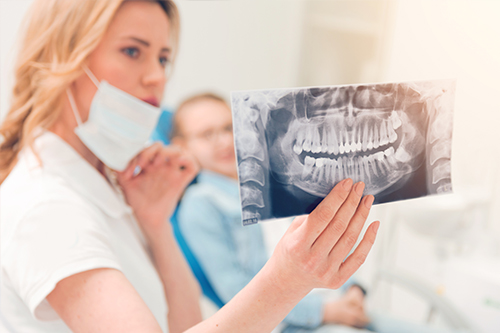
- Focused Assessment: A targeted exam and digital X-rays to identify the root cause.
- Pain Management: Immediate steps to numb the area and reduce inflammation.
- Stabilization: Placing temporary restorations or splinting loose teeth to prevent further damage.
- Long-term Planning: We explain restorative options like root canals, crowns, or implants to be completed after the emergency phase.
Beyond immediate relief, we emphasize clear communication to ensure you understand every aspect of your recovery. Our team provides detailed aftercare instructions and schedules follow-up evaluations to monitor the healing process and ensure that temporary stabilizations are transitioning into durable, long-term dental solutions. We are committed to not only resolving the current crisis but also fortifying your smile against future complications through comprehensive, patient-centered care.
Critical First Aid for Dental Injuries
If you are currently experiencing an emergency, follow these steps before you arrive at our Kansas City office:
For a Knocked-Out Tooth (Avulsed Tooth)
- Handle by the Crown: Never touch the root.
- Rinse Gently: Use water only; do not scrub or use soap.
- Storage: Try to place the tooth back in the socket. If not possible, store it in a container of milk or a tooth-preservation solution. Do not store in plain water for long periods.
For Pain and Swelling
- Rinse: Use warm salt water to reduce bacteria.
- Cold Compress: Apply to the outside of the cheek for 15-minute intervals.
- Medication: Use over-the-counter pain relievers, but do not place aspirin directly on the gum tissue.
Why Early Intervention Matters
- Higher Success Rates: Re-implanted teeth have the best chance of survival if treated within one hour.
- Less Invasive Procedures: Treating a small infection now prevents a complex root canal or extraction later.
- Cost Savings: Emergency stabilization is often more affordable than full reconstructive surgery caused by neglect.
Why Choose Zona Rosa Dental for Your Emergency Care in Kansas City
Choosing the right provider during a dental crisis can make the difference between saving or losing a tooth. At Zona Rosa Dental, we prioritize urgent cases by structured flexibility in our daily calendar, specifically reserved for patients requiring immediate clinical attention. Our Kansas City practice utilizes state-of-the-art diagnostic imaging and technology, enabling our team to accurately identify the cause of your trauma or discomfort. This allows us to begin restorative stabilization immediately, bypassing the long wait times typically associated with general urgent care facilities.
- Immediate Triage and Pain Relief: We focus on rapid intervention to manage acute pain and stabilize your condition the moment you arrive.
- Advanced In-House Technology: Our use of digital X-rays and precision diagnostic tools ensures an accurate assessment of internal damage or infection.
- Compassionate, Patient-Centered Approach: We understand the anxiety associated with dental trauma and provide a calm, supportive environment to help you through the stress of an emergency.
- Seamless Transition to Restorative Care: Once the emergency is controlled, we offer comprehensive follow-up plans, including crowns, implants, or root canals, to fully restore your oral health.
Our commitment to the Kansas City community is built on a foundation of trust and clinical excellence. We don't just treat the immediate symptoms; we look at the long-term health of your smile to prevent recurrence and ensure a functional, aesthetic outcome. When you choose Zona Rosa Dental for your urgent needs, you are choosing a team that values your comfort as much as your clinical results, providing expert care when you need it most.
Contact Zona Rosa Dental for Emergency Care
If you are experiencing a dental emergency in Northland Kansas City and unsure if your situation is an emergency, contact us immediately. We prioritize urgent cases to ensure you receive pain relief and expert stabilization when it matters most.