
Our Office
Visit Us Online


Gum disease is surprisingly common — nearly half of adults over 30 show signs of periodontal issues — yet it often develops quietly. Periodontal conditions range from mild gum inflammation to more destructive infections that compromise the tissues and bone that anchor your teeth. At Zona Rosa Dental, our team focuses on early identification and practical, evidence-based care so patients can preserve healthy gums and strong smiles for years to come.
Periodontal disease begins when bacterial plaque accumulates along the gumline and under the gums. This sticky film triggers an immune response that causes the gums to become inflamed. When inflammation persists, it can progress from superficial irritation to a deeper infection that undermines the structures supporting the teeth.
Because early stages of gum disease are often painless, many people are unaware something is wrong. That’s why regular dental exams and professional cleanings are essential — they allow clinicians to catch problems before irreversible change occurs and to recommend targeted care that matches the level of disease.
Recognizing warning signs early gives you the best chance of reversing damage. Awareness and timely intervention are the first lines of defense in maintaining long-term periodontal health.
Periodontal issues can show up in many ways, and spotting them sooner helps preserve both function and appearance. Typical early indicators include gums that redden or swell, gums that bleed during routine brushing or flossing, and a lingering unpleasant taste or bad breath that doesn’t respond to regular hygiene.
As disease advances, you might notice gum recession that exposes root surfaces, increasing sensitivity to temperature changes, or a sensation that teeth are shifting or feel loose. New spaces between teeth, changes in how partial dentures fit, or drainage and discomfort around the gums are other signals to seek evaluation.
If you experience any of these signs, a focused periodontal exam will determine the extent of involvement and the most appropriate next steps for treatment and maintenance.
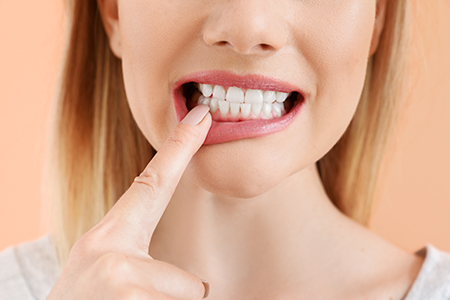
Oral health is closely tied to overall well-being. Research increasingly links chronic periodontal inflammation to systemic conditions such as cardiovascular disease, diabetes management challenges, and certain respiratory concerns. While the exact relationships are complex, reducing oral inflammation is an important part of a comprehensive approach to health.
Protecting gum tissue preserves the foundation for your teeth and supports everyday functions like chewing and speaking. It also helps maintain facial structure by preventing the bone loss that can accompany long-term periodontal damage.
Preventive care and consistent maintenance are practical strategies that reduce risk, improve oral comfort, and contribute to broader health goals over time.
Gingivitis is the earliest, reversible stage of periodontal disease. It is marked by gum redness, swelling, and bleeding, but the bone and connective tissues that hold teeth in place remain intact. With improved home care and professional cleaning, gingivitis can usually be resolved and progression halted.
If left unchecked, gingivitis can develop into periodontitis, a condition where pockets form between teeth and gums and supporting bone begins to erode. This stage requires more intensive management to control infection, stop tissue loss, and stabilize teeth.
Advanced periodontitis can lead to significant bone loss and tooth mobility. Modern periodontal care aims to eliminate infection, preserve as much natural structure as possible, and restore lost tissues when feasible through regenerative techniques.

Treatment is tailored to the severity and character of the disease, along with your overall health and oral care goals. Early-stage disease is best managed with enhanced home hygiene, more frequent professional cleanings, and focused scaling to remove plaque and calculus below the gumline.
When pockets are deeper or infection is more established, scaling and root planing (deep cleaning) is a common non-surgical approach that removes irritants from root surfaces and helps the tissues heal. Antimicrobial therapies, locally delivered medications, and close maintenance visits can augment these efforts.
In cases where non-surgical methods aren’t sufficient, surgical procedures can help access and clean deeper areas, reduce pocket depths, and reshape or regenerate damaged tissues. Advances such as laser-assisted treatments may be used in selected situations to complement traditional surgery.
Non-surgical therapy focuses on removing the bacterial causes of inflammation and establishing an environment in which gums can recover. Thorough cleaning below the gumline, paired with patient-centered instruction on daily oral care, forms the backbone of this approach.
When appropriate, clinicians may recommend adjunctive measures such as localized antimicrobial placements to reduce harmful bacteria and support healing. These steps are often effective at stabilizing early- to moderate-stage disease without the need for invasive intervention.
After active therapy, ongoing periodontal maintenance — typically at more frequent intervals than routine cleaning — is critical to sustain health and monitor for recurrence.
Surgical care becomes a consideration when deeper pockets, persistent infection, or structural damage limit the effectiveness of conservative measures. The goals of periodontal surgery include thoroughly removing bacterial deposits, reducing pocket depth, and creating conditions that allow tissues to heal more predictably.
Procedures such as flap surgery, bone grafting, and tissue regeneration aim to restore lost support where possible. These interventions can improve function, reduce the risk of future tooth loss, and enhance the long-term prognosis for affected teeth.
Modern techniques, including selective use of lasers, can help tailor treatment to each patient’s needs and may reduce recovery time in certain scenarios. Your clinician will discuss the risks and benefits of surgical options and how they fit into a comprehensive care plan.
For personalized guidance and to learn more about how we can help you protect your gums and teeth, contact us for more information.

Most people don’t realize that periodontal disease is the leading cause of tooth loss among adults. According to statistics from the Centers for Disease Control and Prevention, one out of every two adults over the age of 30 in the United States has periodontal disease.
You may be surprised to learn that the human mouth is home to a wide variety of microbes. The fact is that over 700 different strains of bacteria have been detected in the oral cavity. Although some of these bacteria are beneficial, others are harmful to oral health. Without proper oral hygiene and routine dental care, these harmful bacteria can cause tooth decay and gum disease, compromising both your oral health and overall wellbeing.
In addition to inadequate oral hygiene and infrequent professional care, other factors, including smoking, genetic tendencies, and unchecked diabetes, can contribute to the escalation of periodontal disease.
Your gums and teeth have an interdependent relationship, which means healthy teeth depend on the support of healthy gums. Also, taking care of your smile does more than keep your teeth and gums in optimal condition; good oral health also supports systemic health. In addition to being the leading cause of tooth loss in adults, researchers are finding more and more links between periodontal disease and a number of medical problems, including heart disease, stroke, diabetes, respiratory problems, and adverse pregnancy outcomes such as pre-term and low birth-weight babies.
If you notice that your gums are bleeding with the slightest pressure while brushing or flossing, it’s a sign of gingivitis. Although gingivitis is the earliest stage of gum disease, it can easily be reversed with deeper cleanings as well as an improved regimen of oral hygiene at home.
In the absence of professional treatment and better home care, gingivitis progresses to the next stage, which is known as periodontitis. In this stage, the connective tissue and bone that hold the teeth in place begin to break down with an increase in pocketing between the teeth and bone, gum recession, and bone loss. Without proper treatment by your dentist, periodontitis will progress from a mild to moderate loss of supporting tissue to the destruction of the bone around the teeth.
Although gingivitis can often be reversed with improved oral hygiene and professional cleanings, as periodontal disease advances, more extensive procedures are required to halt its progression. Based on a complete assessment of your periodontal health and a review of possible contributing factors, our office will recommend the best options in care. Treatment for periodontitis may include a series of deeper cleanings known as root planing and scaling, surgical procedures to reduce pocket depth, bone or tissue grafts, laser procedures, or antimicrobial medications.
The cost of care depends on the type of procedures required to restore your periodontal health. If you have dental insurance, plans often cover treatment to prevent gum disease as well as many procedures to treat the various stages of gum disease. Our goal is to help patients restore and maintain good oral health. We do all we can to help you begin care without additional stress or delay. Our business office works with you to maximize your benefits and provide easier, more convenient payment options.
By seeing our office regularly for care and doing your best to eat a healthy diet and practice good oral hygiene, you can keep your smile in tip-top shape as well as protect your overall wellbeing.
At the office of Zona Rosa Dental, we provide a comprehensive range of services to address all your oral healthcare needs. You can rest assured that your smile is in the best of hands at our office. Our skilled and experienced team maintains a position at the forefront of advances in care and remains dedicated to providing the highest quality of skilled and compassionate treatment.
Periodontal disease is an inflammatory condition that affects the gums and the structures that support teeth. It usually begins as gingivitis, a reversible inflammation of the gum tissue, and can progress to periodontitis if left untreated. Periodontitis involves pocket formation, connective tissue breakdown and loss of supporting bone around teeth.
Because early stages are often painless, many people do not realize they have a problem until the disease advances. Early detection and treatment can preserve natural teeth and reduce the need for more invasive care. Regular dental exams are the best way to identify issues before irreversible change occurs.
Early warning signs include gums that are red, swollen or that bleed during brushing and flossing. Persistent bad breath or a lingering bad taste in the mouth can also indicate active gum inflammation. Noticing increased tooth sensitivity or mild gum recession can signal that the condition is progressing.
As disease advances, patients may observe loose teeth, new spaces between teeth or changes in the fit of partial dentures. Any of these changes warrant a focused periodontal exam to determine pocket depths and levels of supporting bone. Prompt evaluation improves the chance of controlling infection and preserving dental function.
A periodontal exam includes measuring pocket depths around each tooth, assessing bleeding on probing and checking for clinical attachment loss. The clinician will also evaluate gum recession, tooth mobility and overall oral hygiene. Dental radiographs are commonly used to assess the level of bone supporting the teeth and to identify areas of hidden bone loss.
Your dental team will combine clinical findings with your medical history and any symptoms you report to determine disease severity. This comprehensive assessment guides whether conservative care, adjunctive therapies or referral to a specialist is recommended. Ongoing monitoring is often necessary to track healing and detect recurrence early.
Non-surgical care focuses on removing bacterial plaque and hard deposits from root surfaces to reduce inflammation. Scaling and root planing is a common deep-cleaning technique that reaches below the gumline to eliminate irritants and allow gums to reattach. Clinicians may also use localized antimicrobials or antiseptic rinses to suppress harmful bacteria and support healing.
Improved home care and patient education are essential components of non-surgical therapy and help sustain treatment gains. After active therapy, more frequent periodontal maintenance visits are typically scheduled to prevent recurrence. Many cases of early to moderate disease can be stabilized without surgical intervention when patients adhere to recommended hygiene and recall regimens.
Surgery may be recommended when deep pockets, persistent infection or structural damage limit the effectiveness of non-surgical therapy. Common surgical options include flap procedures to access and thoroughly clean root surfaces, and regenerative techniques such as bone grafting or guided tissue regeneration to restore lost support. The choice of procedure depends on pocket depth, defect type and overall prognosis for the affected teeth.
Advanced techniques and selective use of lasers can complement surgical plans and may improve healing in specific cases. Your clinician will discuss the goals, benefits and potential risks of surgical treatment as part of a personalized care plan. When surgery is appropriate, it is performed to maximize long-term function and reduce the risk of future tooth loss.
Research shows associations between chronic periodontal inflammation and certain systemic conditions, so maintaining gum health is an important part of overall wellness. Periodontal disease has been linked to challenges in diabetes management and to increased markers of systemic inflammation. Evidence also suggests relationships with cardiovascular health and adverse pregnancy outcomes, though these links are complex and under active study.
Managing periodontal disease can therefore complement broader medical care and may improve quality of life by reducing oral pain, preserving chewing function and supporting nutritional intake. Patients with chronic medical conditions should share their full health history so dental and medical teams can coordinate care. Regular periodontal care is a practical step toward supporting both oral and general health.
After non-surgical therapy, patients commonly experience mild soreness and temporary sensitivity that resolve within a few days to a couple of weeks. Post-operative instructions typically include gentle rinsing, careful oral hygiene around treated areas and using over-the-counter or prescribed analgesics as directed. Following surgical procedures, you may receive additional guidance on diet, activity restrictions and wound care to support optimal healing.
Follow-up visits are important to monitor tissue response, remove sutures when applicable and confirm pocket reduction. Long-term success depends on consistent home care and adherence to a personalized maintenance schedule. Your clinician will provide clear aftercare steps and contact information for any concerns during recovery.
Prevention and control begin with effective daily oral hygiene, including thorough toothbrushing, interdental cleaning and avoiding tobacco use. Professional cleanings and periodontal maintenance visits at intervals recommended by your clinician help remove deposits that home care cannot reach and allow early detection of recurrence. Managing systemic factors such as diabetes and maintaining a balanced diet also support gum health.
Patient education and motivation are central to long-term stability; small, consistent habits deliver the greatest benefit over time. When disease is present, combining clinical therapy with improved home care and regular monitoring gives the best chance of preserving natural teeth. Your dental team will tailor a prevention plan to your needs and lifestyle.
A referral to a periodontist is appropriate for advanced bone loss, aggressive or rapidly progressing disease, and cases that do not respond to initial therapy. Complex regenerative needs, preparation for dental implants in sites with compromised support, and the need for specialized surgical techniques are also common reasons for referral. Periodontists offer advanced training and experience in diagnosis and management of severe periodontal conditions.
Your general dentist may treat many patients with periodontal disease but will coordinate with a specialist when the case requires additional expertise. Working together ensures comprehensive care and optimizes outcomes for teeth that have a guarded prognosis. Patients should feel empowered to ask about referral when they want specialized evaluation or treatment options.
At Zona Rosa Dental, care begins with thoughtful assessment and a conservative approach whenever possible to preserve natural teeth and minimize discomfort. We emphasize patient education, clear communication and individualized treatment plans that reflect each person’s health history and goals. Preventive measures and regular maintenance visits are prioritized to reduce the likelihood of progression.
When advanced therapy is needed, we discuss all appropriate options, coordinate with specialists as required, and support patients through treatment and recovery. Our team strives to create a comfortable environment where families feel informed and involved in decisions about periodontal health. You can expect follow-up and preventive planning to maintain long-term stability.
Email: