
Our Office
Visit Us Online


If a dentist recommends root canal treatment for a troubled tooth, there’s no reason to panic. Modern root canal care is a precise, predictable way to remove infection, stop pain, and preserve your natural tooth so you can chew, speak, and smile with confidence. In many cases this treatment prevents the need for extraction and more complex restorative work later on.
At the office of Zona Rosa Dental, we combine up-to-date tools with careful, patient-centered care to make root canal therapy as comfortable and straightforward as possible. Our team focuses on clear explanations, gentle techniques, and follow-up guidance so you understand what to expect and how to protect your restored tooth.
Keeping your natural tooth whenever possible is often the best outcome for long-term oral health. A tooth retained through root canal therapy preserves the surrounding bone and neighboring teeth, maintains proper chewing function, and avoids the complications that can come with a missing tooth. For many patients, a saved tooth means a simpler, more natural-feeling solution over time.
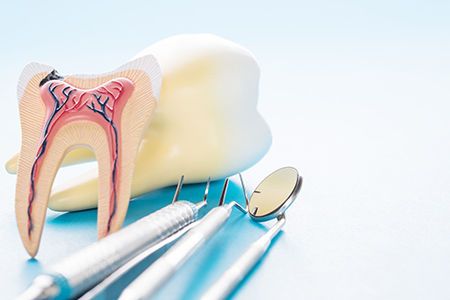
Root canal treatment targets the inflamed or infected tissue deep inside the tooth’s root system — the pulp — without requiring removal of the entire tooth. By eliminating the source of infection and sealing the internal structure, the tooth can be stabilized and later restored with a crown or other durable restoration that restores strength and appearance.
Success rates for contemporary root canal procedures are high when treatment is performed in a timely manner and followed by appropriate restorative care. With careful attention to technique and infection control, most treated teeth continue to function for many years — often for the rest of a patient’s life.

Inside each tooth is a small chamber that contains nerves, connective tissue, and blood vessels known collectively as the dental pulp. When the pulp becomes inflamed or infected — from deep decay, a crack, a large filling, or a traumatic injury — the pain and risk of spreading infection increase. At that point, root canal therapy may be the most appropriate option to remove the diseased tissue and preserve the tooth.
Symptoms that commonly precede the need for root canal therapy include persistent or severe toothache, heightened sensitivity to hot and cold that lingers, pain when biting or chewing, and changes in tooth color. Sometimes swelling around the gum or the appearance of a small bump (a draining sinus) near the tooth signals an underlying infection. In other cases, a problematic tooth may show up on X-rays before symptoms develop.
Not every ache means a root canal is required, but these warning signs warrant prompt evaluation. Early diagnosis often means simpler treatment, a higher chance of saving the tooth, and a quicker return to normal comfort.
Continuous tooth pain, especially pain that interrupts sleep or does not respond to over-the-counter measures, often indicates deeper involvement of the tooth’s pulp. Root canal therapy commonly resolves this type of pain by removing the source of irritation.
When hot or cold sensations linger long after the stimulus is removed, the nerve tissue inside the tooth may be compromised. Persistent thermal sensitivity is a frequent sign of pulp inflammation that should be assessed promptly.
Discomfort during chewing or gentle pressure can indicate that the internal tissues or root structure are affected. This symptom sometimes accompanies cracks or deep decay that permits bacteria to reach the pulp.
A change in color — particularly a grayish or darkened appearance — may reflect internal changes in the tooth following injury or prolonged infection. Discoloration can be a clue that the pulp is no longer healthy.
Structural damage from an injury can expose the inner tissues to bacteria or directly traumatize the pulp, making root canal treatment necessary to preserve the remainder of the tooth.
Localized swelling, gum tenderness, or the presence of a small, pimple-like bump may indicate an abscess. These signs suggest active infection that needs professional attention.
Infection around the root can damage the supporting bone and connective tissues, which may lead to the tooth feeling loose. Root canal therapy, followed by restoration, can halt and often reverse the progression of such problems.

Delaying care when a tooth is infected or its pulp is damaged increases the chance of complications, including spreading infection, increased bone loss, or the need for extraction. An early appointment allows your dentist to evaluate symptoms, take necessary images, and recommend the right path — whether that is root canal therapy, a monitoring plan, or another treatment.
Even when a tooth is not yet causing obvious pain, routine exams or X-rays sometimes reveal hidden signs of root-end pathology or deep decay. Recognizing these problems before they escalate enables more conservative treatment and better long-term prognosis.
Timely root canal treatment often means fewer visits, less discomfort, and a simpler restoration plan. Addressing the problem while it is localized increases the likelihood that the tooth will remain functional for many years with minimal maintenance.
Today’s root canal care blends precise diagnostics, refined instrumentation, and infection-control techniques to deliver predictable results. The process begins with isolation of the tooth and administration of local anesthesia to ensure patient comfort. Using small instruments and irrigation solutions, the dentist removes the inflamed or infected pulp and carefully cleans and shapes the internal canals.
After thorough cleaning, the canals are filled with a biocompatible material and sealed to prevent reinfection. In some cases, the procedure is completed in a single visit; more complex situations or the presence of significant infection may require two appointments. Where appropriate, adjunctive measures such as an updated X-ray or a cone-beam scan help clarify anatomy and guide treatment.
Once root canal therapy is complete, a durable restoration — typically a crown — is recommended to protect the treated tooth from fracture and restore full function. Your dentist will explain the timing and options for final restoration so you can make an informed decision based on clinical needs.
After treatment, it’s normal to have some tenderness around the treated tooth as surrounding tissues heal. This discomfort typically subsides within a few days and can be managed with over-the-counter pain relievers as recommended by your dentist. If antibiotics are prescribed to address an active infection, it’s important to complete the full course exactly as directed.
Protecting the tooth until a permanent restoration is placed is essential; a temporary filling does not provide the same strength as a full crown. Until the final restoration is in place, avoid chewing hard or sticky foods on that side and follow any specific instructions your dental team provides.
Good home care — brushing, flossing, and regular dental checkups — supports long-term success. With appropriate follow-up and a proper permanent restoration, most root canal-treated teeth remain healthy and functional for decades.
Root canal therapy is a reliable option for stopping pain, removing infection, and preserving teeth that would otherwise be lost. The techniques and materials used today make the experience more comfortable and predictable than in the past, and timely care helps protect your overall oral health.
If you have questions about root canal treatment or are experiencing symptoms that concern you, contact our office for more information and to schedule an evaluation. Zona Rosa Dental is committed to helping patients understand their options and receive compassionate, high-quality care.

A root canal procedure is the best way to save a tooth that has been damaged by decay or injury and preserve your natural smile. The alternative is an extraction and treatment to replace the tooth. While at times a tooth is non-restorable and an extraction is the only option, when possible, it’s best to try and save your natural tooth. With proper care, a tooth with root canal therapy can serve your smile well for many years to come.
Despite lingering myths from before the age of modern dental anesthesia and technology, having a root canal procedure today is as routine and comfortable as visiting the dentist for a filling. While the procedure is performed under local anesthesia with your tooth completely numbed, we can also discuss options in dental sedation.
Whether the symptoms of a dental infection subside after a course of antibiotics, a draining abscess provides you with some temporary pain relief, or a tooth with radiographic evidence of pathology has not yet developed symptoms, it’s essential, before an infection worsens or occurs, to have a root canal procedure performed. In this way, the tooth can be disinfected, filled, and sealed to protect your health and avoid further problems.
If you have sustained a dental injury, have a toothache, jaw pain, swelling, or are experiencing any other unusual and uncomfortable oral symptoms, contact our office immediately for care. Dental problems that have not been evaluated and treated can significantly worsen, producing more severe damage and consequences for the involved teeth, your oral health, and even your overall wellbeing. Once you get in touch with our office, our friendly and compassionate office team will get you in for care at your earliest convenience.
While some root canal procedures can be completed in one visit, others may involve 2 or 3 appointments. How long it takes depends on various factors, including active infection, the number of canals in the tooth, and the tooth’s location or anatomy.
With a success rate that exceeds 95%, root canal therapy remains the most effective procedure to save a tooth in which the inner vital tissues have been damaged. However, as with all healthcare procedures, there are a small percentage of cases where the teeth become symptomatic a second time. The good news is that many of these teeth can still be saved with root canal retreatment or a minor surgical procedure known as an apicoectomy.
The best ways to maintain a tooth with root canal therapy are to get the proper restoration required to rebuild and protect the tooth, maintain proper oral hygiene, and schedule appointments for routine dental checkups and care.
Saving a tooth with root canal therapy is a wise investment that, in the long run, is typically less costly and invasive than having the tooth extracted and replaced with a fixed bridge or implant. As far as the exact cost of care, it can vary depending on which tooth is being treated. Many dental insurance plans provide coverage for root canal therapy. At the office of Zona Rosa Dental, we do our best to optimize your dental benefits and minimize your out-of-pocket expenses. Our staff will answer all your questions about the cost of care and discuss all your payment options.
At the office of Zona Rosa Dental, we use the latest technology and most effective methods of care to provide precise and gentle care. Our reputation for excellence is based upon a consistent record of achieving successful treatment outcomes while providing prompt, stress-free, and convenient treatment for every type of dental need.
A root canal is a dental procedure that removes inflamed or infected pulp from inside a tooth to relieve pain and stop infection.
By cleaning and sealing the internal canal system, the tooth can be preserved instead of extracted. At the office of Zona Rosa Dental we use modern instrumentation and anesthesia to make the experience efficient and comfortable.
Signs that a tooth may need root canal therapy include persistent or severe toothache, heightened sensitivity to hot or cold that lingers after the stimulus is removed, and pain when biting or chewing.
A tooth that darkens in color or becomes discolored can also indicate internal problems, and swelling of the gum or a small pimple-like bump near the tooth often signals an abscess. In some cases routine X-rays reveal deep decay or root-end pathology before symptoms appear, so prompt evaluation is important.
A typical root canal begins with a careful diagnosis that may include digital X-rays or a cone-beam scan to map the tooth’s anatomy. Local anesthesia and isolation with a rubber dam keep the tooth numb and free of saliva during treatment.
The dentist creates a small access opening, removes the diseased pulp, shapes and cleans the canals with precision instruments, and irrigates with antiseptic solutions to remove bacteria and debris. Canals are then filled with a biocompatible material and sealed, with a temporary or permanent restoration placed as indicated.
Most patients experience little to no pain during a root canal because the area is thoroughly anesthetized with local anesthesia. For patients who feel anxious there are additional comfort options such as nitrous oxide or oral sedation.
After treatment some soreness or tenderness of the surrounding tissues is common and usually resolves within a few days with over-the-counter pain relievers. Contact the office if pain increases, swelling worsens, or symptoms do not improve as expected.
To prepare for a root canal bring a list of current medications and a summary of your medical history so the dental team can plan care safely. Eat a light meal before your appointment unless your dentist advises otherwise, especially if sedation will be used.
If you take prescription medications such as blood thinners or have a history of infective endocarditis inform the dentist ahead of time so pre-treatment planning can occur. Follow any specific instructions provided by the office about antibiotics or medication adjustments when directed by your care team.
After a root canal the treated tooth and surrounding area may feel tender for several days as inflammation subsides and tissues heal. Avoid chewing hard or sticky foods on the treated side until a permanent restoration is in place to reduce risk of fracture.
Maintain gentle brushing and flossing to keep the area clean while you recover, and follow any dietary guidance from your dentist. Your dentist will schedule follow-up visits to place a permanent restoration and confirm healing with clinical checks or X-rays.
Root canal-treated teeth have a high success rate and many remain in function for decades when properly restored and cared for. Longevity depends on factors such as the extent of preexisting damage, the quality of the restoration, and ongoing oral hygiene.
Regular dental checkups help detect any changes early so you can address problems before they threaten the tooth. In some cases teeth may require retreatment or surgical endodontic procedures if reinfection occurs or anatomy is complex.
The main alternative to root canal therapy is extraction of the affected tooth, followed by options to replace the tooth such as a dental implant, bridge, or removable prosthesis. In select cases a dentist may recommend monitoring a tooth that is asymptomatic, but this carries risk of progression.
Extraction eliminates the source of infection but introduces other considerations related to function, neighboring teeth, and bone preservation. Your dentist will review the pros and cons of each approach based on your oral health and long-term goals to help you make an informed decision.
Complications from root canal therapy are uncommon but can include persistent infection, reinfection of the canal system, or rare instrument separation within a canal. An untreated or recurrent infection can lead to ongoing pain, swelling, or the need for additional procedures.
Risk is minimized by careful diagnosis, use of modern instruments and imaging, and strict infection-control practices during treatment. If you notice new or worsening symptoms after treatment contact your dentist so the situation can be evaluated and treated as needed.
Contact Zona Rosa Dental if you experience increasing or uncontrolled pain, persistent or spreading swelling, fever, or drainage from the treated site after a root canal. Also reach out if a temporary filling becomes dislodged, if you develop numbness that does not resolve, or if you notice signs of reinfection.
Timely evaluation helps determine whether antibiotics, retreatment, or a surgical option are necessary to address complications. Our office at 4103 NW Barry Road in Kansas City, MO schedules follow-up visits to place permanent restorations and monitor healing after endodontic care.
Email: